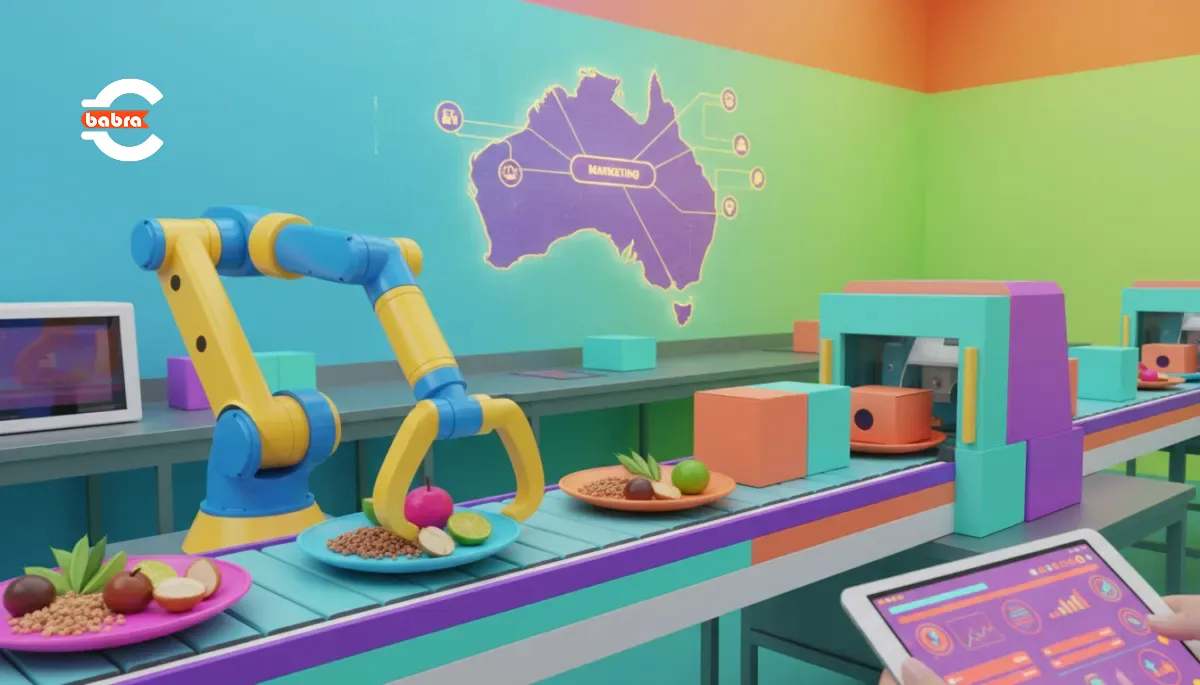
Guide to Catering Automation in Australia
Australian Catering, Catering Automation, Local Business Growth
The Catering Business Owner’s Guide to Automation in Australia
For many Australian catering business owners, every week is a juggling act: responding to inquiries, planning menus, coordinating staff, managing suppliers, and somehow finding time for marketing. This guide explains how practical, affordable catering business automation can streamline those tasks, protect your margins, and free you to focus on delivering memorable events across Australia’s competitive hospitality scene.
Why Automation Matters for Australian Catering Businesses
The Australian catering market is shaped by seasonal peaks, strict food safety standards, and clients who expect fast responses and flawless execution. In this environment, relying on paper forms, spreadsheets, and manual follow-ups can quickly cap your growth. Catering Automation uses digital automation tools to handle repetitive processes such as quoting, booking, confirmations, reminders, and invoicing, so your team can concentrate on food quality and service.
For local businesses, automation is not about replacing people; it is about supporting them. Done well, catering business automation reduces errors, improves response times, and gives you a clear overview of your pipeline, costs, and profitability for every function, from corporate lunches in Sydney to wedding receptions in regional Queensland.
Core Areas of Catering Business Automation
1. Inquiry Management and Online Booking
When a potential client discovers your Australian catering business, their first impression is shaped by how quickly and professionally you respond. Automation tools can:
Capture inquiries from your website, social media, and online directories into a single dashboard.
Send instant, branded acknowledgment emails outlining next steps and expected response times.
Offer online booking for tastings or consultations, synchronized with your calendar.
Instead of manually entering details into spreadsheets, your system stores client information, event dates, guest numbers, and dietary requirements in one place, ready to feed into quoting and planning workflows.
2. Quoting, Proposals, and Contracts
Creating detailed quotes is one of the most time-consuming tasks for catering companies. With modern automation tools, you can build templates that automatically pull in menu items, pricing, seasonal surcharges, staffing costs, and venue-specific logistics. This form of catering business automation allows you to:
Generate professional proposals in minutes, not hours, with your branding and terms already included.
Offer tiered packages (standard, premium, deluxe) that can be toggled on or off for different Australian markets and budgets.
Send contracts with integrated e-signatures, reducing back-and-forth and securing bookings faster.
When your quoting process is automated, you respond faster than competitors, present a more polished image, and capture the true cost of each event, helping protect your margins in a price-sensitive market.
3. Operations, Rostering, and Supplier Coordination
Once a booking is confirmed, automation can streamline the operational side of your Australian catering business. Event details can automatically generate:
Production sheets for the kitchen, broken down by menu item and quantity.
Staff rosters with required roles, shift times, and venue addresses sent to each team member.
Purchase orders for suppliers, aligned with your preferred wholesalers and seasonal availability.
This level of catering business automation reduces miscommunication, ensures nothing is missed, and provides clear visibility over labor and ingredient costs, which is critical given the rising cost of food and staffing across Australia.
4. Invoicing, Payments, and Cash Flow
Strong cash flow is essential for local catering businesses that often pay suppliers and staff before receiving final client payments. Automation tools can:
Automatically generate invoices based on the approved quote and any post-event adjustments.
Schedule deposit reminders and balance payment reminders at set intervals before and after events.
Integrate with Australian payment gateways and accounting platforms to reconcile invoices and track overdue accounts.
The result is fewer awkward conversations, less time chasing payments, and a more predictable revenue stream, allowing you to plan staffing and investment with confidence.
Catering Marketing Automation: Winning More Local Clients
While operational catering business automation saves hours behind the scenes, catering marketing automation helps you attract and retain clients. Many local catering businesses rely on word-of-mouth, but a consistent, automated marketing engine can keep your brand visible to corporate planners, wedding coordinators, schools, and community groups across Australia.
Email Sequences and Client Nurturing
Modern marketing automation platforms allow you to set up targeted email sequences based on client behavior. For example:
When someone downloads your corporate catering menu, they receive a follow-up email with sample packages and testimonials from Australian businesses in similar industries.
Wedding inquiries trigger a series of emails with venue checklists, seasonal menu ideas, and a gentle reminder to book tastings early for peak dates.
Past clients receive automated messages around the anniversary of their event or at the end of the financial year, prompting repeat bookings for staff parties or conferences.
These catering marketing automation workflows run quietly in the background, building relationships and generating inquiries without constant manual effort from your team.
Social Media and Review Management
Social proof is powerful in the hospitality industry. Automation can support your online reputation by:
Scheduling social media posts showcasing recent events, seasonal menus, and behind-the-scenes preparation.
Sending post-event emails that automatically request reviews on Google, Facebook, or local Australian directories.
Notifying your team when new reviews appear, so you can respond promptly and professionally.
Over time, this structured approach to marketing automation builds a strong online presence that consistently attracts local inquiries, even during quieter seasons.
Choosing the Right Automation Tools for Your Catering Business
Not every platform labeled as “automation” is suitable for Australian catering operations. When assessing automation tools, consider the following criteria to ensure they fit local business needs and regulations:
Local compliance: Check where data is stored and whether the provider complies with Australian privacy legislation and relevant food safety record-keeping standards.
Industry focus: Tools designed specifically for events, hospitality, or catering will better support menu management, dietary notes, and event logistics.
Integration: Look for platforms that connect with your accounting software, email marketing system, calendar, and payment gateways used widely in Australia.
Ease of use: Your team includes chefs, coordinators, and casual staff. A clear, intuitive interface is essential for adoption.
💡 Pro Tip: Pilot new catering automation tools with a small number of events first. Gather feedback from kitchen staff, front-of-house teams, and clients before rolling the system out across your entire Australian catering operation.
Implementing Automation in Stages: A Practical Roadmap
For most local catering businesses, the most successful approach is to introduce catering business automation step by step, rather than attempting to transform every process at once. A staged roadmap might look like this:
Map your current workflows. Document how inquiries, quotes, bookings, and events currently move through your business. Identify bottlenecks, manual double-handling, and recurring errors.
Prioritize high-impact areas. Many Australian catering operators start with online inquiries and quoting, where faster response times directly translate into more bookings.
Introduce marketing automation. Once your core operations are organized, layer in catering marketing automation for email follow-ups, newsletters, and review requests.
Refine and measure. Track metrics such as inquiry-to-booking conversion rate, average response time, labor hours per event, and customer satisfaction scores. Use these insights to refine your automations.
By treating catering automation as an ongoing improvement project rather than a one-off purchase, you build a resilient, efficient business that can adapt to changes in demand, regulation, and customer expectations across Australia.
The Competitive Advantage of Automation for Local Catering Businesses
In many Australian cities and regional centers, catering markets are crowded with talented operators. What often differentiates successful local businesses is not just their menus, but how easy they are to work with. When your systems are automated, clients experience:
Prompt, professional communication from first inquiry to final invoice.
Clear documentation of menus, dietary accommodations, and event timelines.
Fewer mistakes on the day, thanks to accurate production sheets and rosters.
Internally, your team benefits from reduced administrative load, less last-minute scrambling, and clearer expectations. This can improve staff retention an important factor in Australia’s tight hospitality labor market and support sustainable growth without burning out your key people.
Moving Forward: Turning Automation into Everyday Practice
Automation is no longer a luxury reserved for large hospitality groups. With today’s cloud-based platforms and flexible pricing, catering business automation is accessible to small and medium Australian catering operators, from family-run kitchens to multi-venue event specialists. The key is to align your tools with your business model, train your team thoroughly, and review your workflows regularly as your operations evolve.
By embracing catering automation and thoughtful marketing automation, local catering businesses across Australia can reclaim valuable hours each week, deliver more consistent client experiences, and build a foundation for long-term, profitable growth. The technology is ready; the next step is deciding where automation will make the biggest difference in your own catering business and starting there.